Ocarina of Time Sells 5.2 Million in 4 Days on Switch 2
Nintendo says the Ocarina of Time remake sold over 5.2 million units in four days, a Switch 2 record, plus the price and what resellers should watch.
4 min readRead Blog →
 By Jessy • Jan 24, 2026
A hot item is something marked down far enough at the store that still sells quickly online for more than you paid, after fees. You can spot hot items to resell most weeks with the same short routine: find the markdown, check sold prices, check how fast it sells, then confirm the price at your store before you buy more than one. Here is how each step works, plus the signs that a hot item is cooling off.
Three things have to line up at the same time:
A few extras make an item even better: it is light and easy to ship, it is not fragile, it comes new in the box and buyers already know the brand.
A deep discount on something nobody wants is not hot. A popular item at full price is not hot either. You need both pieces, and they rarely stay lined up for long, which is why you check every week instead of once.
Most weeks, the best candidates come from the same few places:
Some categories show up again and again: small kitchen appliances, tools, baby gear, toys and electronics accessories. None of them is hot every week, but they are worth a look every time you walk the store.
You can do this standing in the aisle.
Here is a quick way to read what you find:
| Signal | Good sign | Warning sign |
|---|---|---|
| Sold listings | Many recent sales near one price | Few sales, prices all over the place |
| Active listings | Fewer listed than sold recently | Far more listed than sold |
| Sold price vs your cost | Room left after fees and shipping | Thin or no room |
| Size and weight | Small, light, sturdy | Bulky, heavy or fragile |
A big markdown means nothing until you subtract what it costs to sell.
Here is a made up example. Say an item's clearance price is $15 and sold listings cluster around $45. If fees in that category come to about 15% (look up the real rate for yours), that is about $6.75. Add $9 for shipping and $1 for a box and tape, and you are left with about $13.25 before gas and your time.
That can be a good flip if it sells in a week. It is a poor one if it sits for three months. Some flips lose money, so start small until you know an item. The guide to beginner reselling mistakes covers the other common money traps. Our post on Home Depot clearance price endings walks through the same kind of math for Home Depot clearance.
Clearance prices vary from store to store, and shelf tags can lag behind the real price. That lag is also where Walmart hidden clearance comes from. Before you buy more than one:
Never argue with staff over a tag or try to talk your way into a price the register does not show. A good flip works at the real price. For more on reading tags, see our guide to Walmart clearance price endings.
Hot items do not stay hot. Watch for these:
When you see two or more of these, stop buying, price what you have to sell and move on to the next one.
It changes week to week, which is why this guide teaches the checks instead of naming one item. Run the five minute demand check on anything marked down near you.
Check eBay sold listings. If it sold many times in the last few weeks and there are fewer active listings than recent sales, it usually moves quickly.
No. Clearance prices and stock vary by store, so a deal at one store may not exist at the next one.
Buy one or a few first, list them and see how fast they sell before you go back for more.
The routine works, but it takes time. Members get daily leads for Walmart, Home Depot, Lowe's and Target in Discord, price-error alerts the moment a glitch is verified, and live Walmart stock checks at nearby stores in the Guardian app. See how the membership works.
 Nov 11, 2026
Nintendo says the Ocarina of Time remake sold over 5.2 million units in four days, a Switch 2 record, plus the price and what resellers should watch.
 Nov 11, 2026
Where sneaker clearance shows up at outlets, big box stores and online, which sizes and colorways resell, and how to check value before you buy.
 Nov 10, 2026
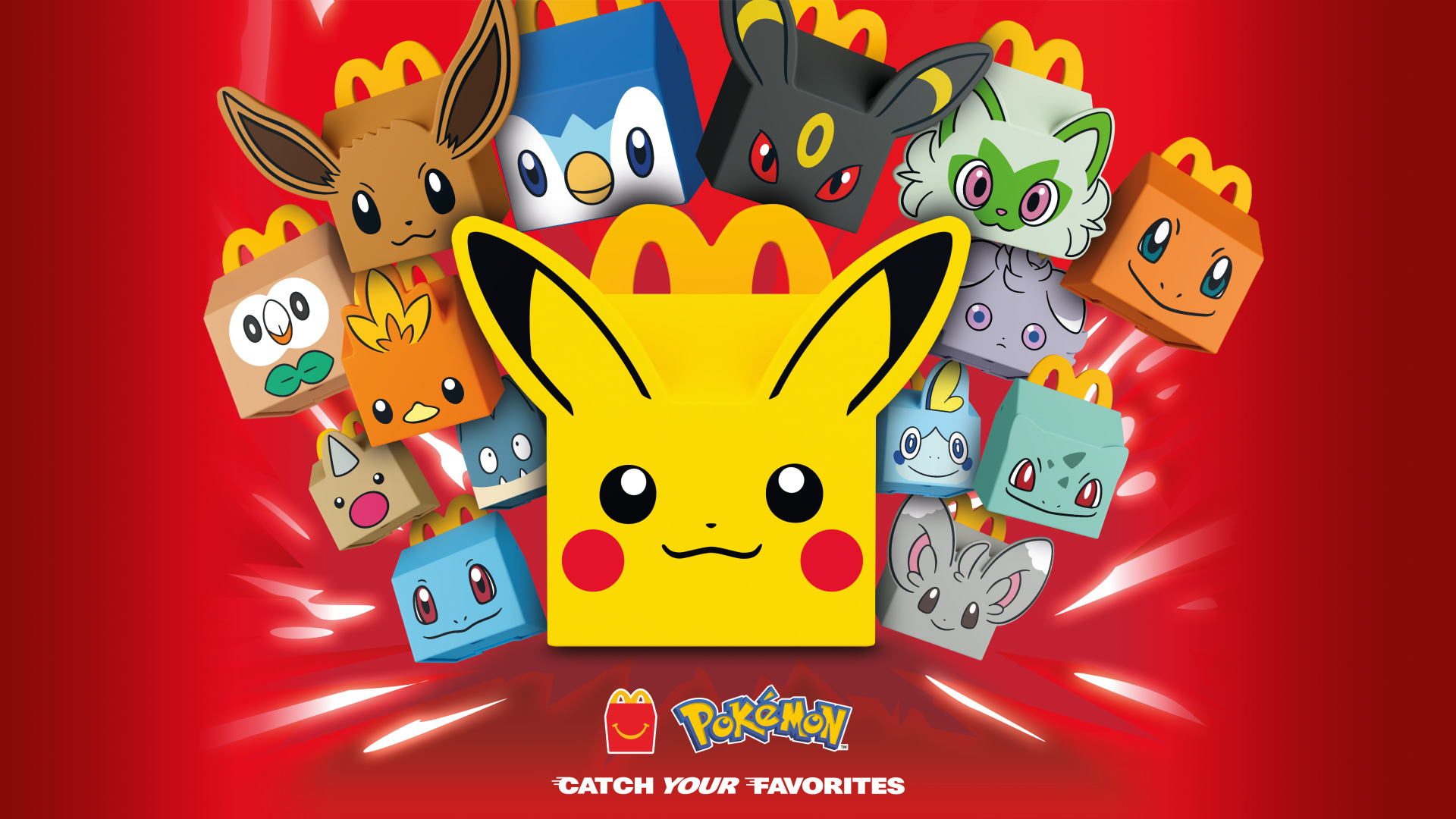
The McDonald's Pokemon Happy Meal is live in the US through December 14 with 15 box toys and 15 cards. What is inside and what resellers should know.