Ocarina of Time Sells 5.2 Million in 4 Days on Switch 2
Nintendo says the Ocarina of Time remake sold over 5.2 million units in four days, a Switch 2 record, plus the price and what resellers should watch.
4 min readRead Blog →
 By Jessy • Jan 3, 2026
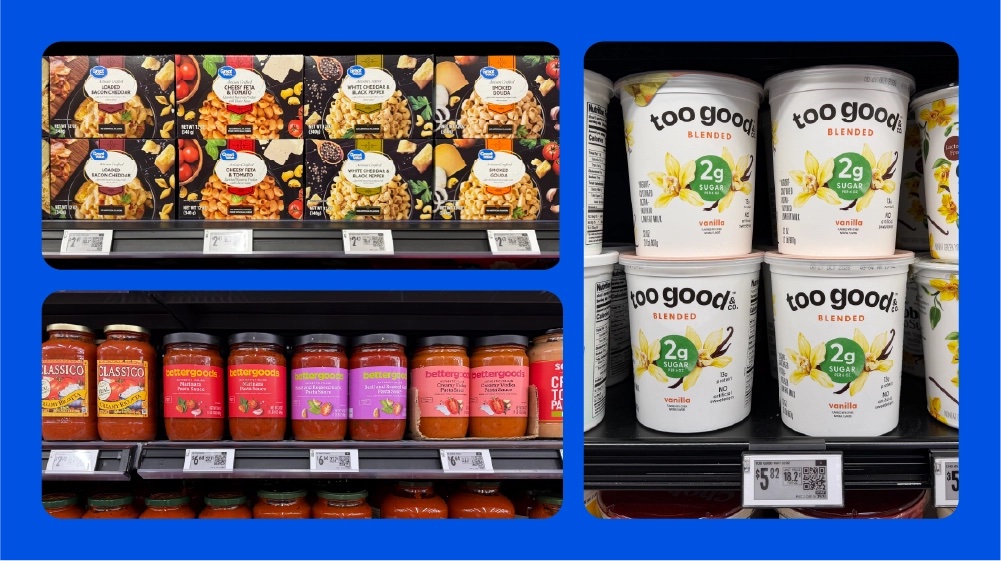
Walmart hidden clearance is an item that rings up for less than its shelf tag says, because the price dropped in the store's system before anyone changed the tag. Nothing on the shelf tells you, so you find it by scanning items in the Walmart app or at a price checker, then confirming the price with one unit at the register. Here is why it happens, where resellers look, and how to hunt for it without making the staff's day harder.
Most shoppers know clearance as the items with a clearance tag or a sign on the end of the aisle. Hidden clearance is the same kind of markdown without the tag. The shelf still shows the old price, but the register charges the new, lower one.
It is not the same as a Rollback, which is a price cut Walmart advertises with its own signs. It is also not a price error, which is a price that is simply wrong. Hidden clearance is a real markdown that the shelf has not caught up with yet.
Resellers care because these items get passed over. A shopper who sees the full price on the tag keeps walking. You scan it and see what the store will actually charge.
The short answer is volume. Walmart said in June 2024 that its stores handle thousands of pricing updates every week for new items, Rollbacks and markdowns. In the same post, Walmart said a price change that used to take an associate two days to update on paper tags now takes minutes with digital shelf labels, which it planned to bring to 2,300 stores by 2026.
So a gap between the system price and the shelf tag is normal, especially in stores that still use paper tags. A few other things cause it too:
In stores with digital labels, the shelf can change much faster, so expect fewer gaps there. Hidden clearance is a numbers game. Most scans will match the tag.
Nobody can tell you which item will ring up low, but some spots are worth extra scans:
Clearance tags themselves carry clues too. Our guide to Walmart clearance price endings explains what the last digit can and cannot tell you.
Never trust one source. Stack these checks:
Before you drive to a second store for the same item, you can check Walmart stock before you drive. Clearance prices and stock both vary from store to store, so a low price at one store does not mean the next store has it.
The people who stock the shelves and run the registers are not your opponents. Keep it easy for them:
A price that is low for Walmart is not always low enough to resell. Before you buy more than one, check eBay sold listings for the same item, count how many sold in the last few weeks, and subtract fees, shipping and sales tax.
Here is a made up example. An item rings up at $18 and recent sold listings cluster around $45. Fees of about 15% (look up the real rate for your category) are roughly $7. Shipping and a box run about $10. That leaves about $10 before gas and your time. Good for a quick, small item. Not worth it for something bulky that sits for months. Some flips lose money, so start small.
For a routine, read how to spot hot items to resell each week. To keep an early flip from going sideways, read up on common reselling mistakes.
An item that rings up lower than its shelf tag because the price changed in the system before the tag was updated.
Scan items in the Walmart app with your store selected or use an in-store price checker, then buy one to confirm the price on the receipt.
No. It is a good clue, but the register is the final word. Prices can also differ from store to store.
No. Hidden clearance is a real markdown the shelf has not caught up with. A price error is a wrong price, often online, that a store may fix or cancel.
Members get daily Walmart leads in Discord, price-error alerts the moment a glitch is verified, and live Walmart stock checks at nearby stores in the Guardian app. See how the membership works.
 Nov 11, 2026
Nintendo says the Ocarina of Time remake sold over 5.2 million units in four days, a Switch 2 record, plus the price and what resellers should watch.
 Nov 11, 2026
Where sneaker clearance shows up at outlets, big box stores and online, which sizes and colorways resell, and how to check value before you buy.
 Nov 10, 2026
The McDonald's Pokemon Happy Meal is live in the US through December 14 with 15 box toys and 15 cards. What is inside and what resellers should know.