Ocarina of Time Sells 5.2 Million in 4 Days on Switch 2
Nintendo says the Ocarina of Time remake sold over 5.2 million units in four days, a Switch 2 record, plus the price and what resellers should watch.
4 min readRead Blog →
 By Jessy • Jan 20, 2026
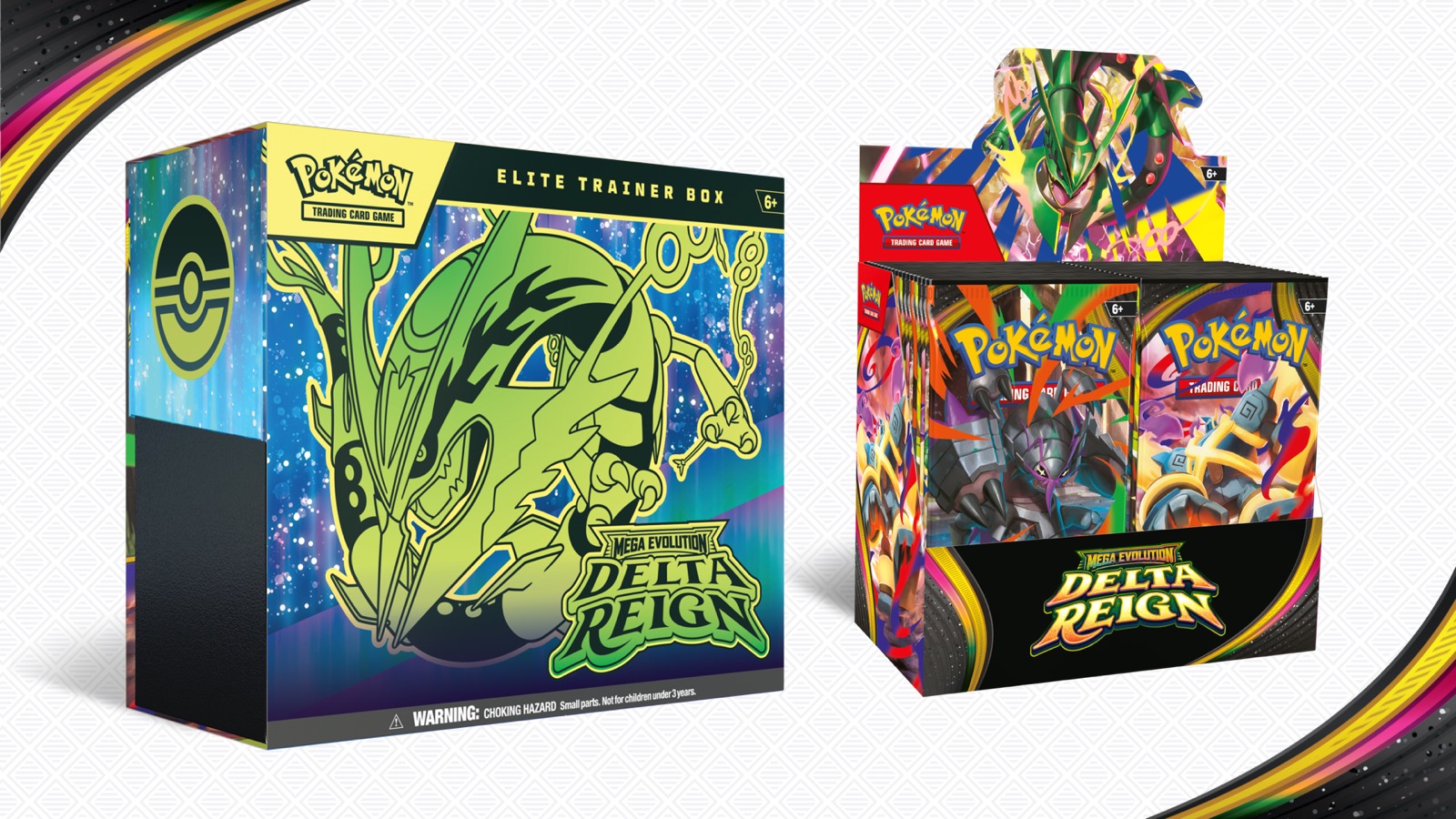
Sealed Pokemon cards, meaning packs and boxes still in the factory wrap, can be fun to collect and reasonable to resell if you pay fair prices and treat it like a hobby with a budget, not an investment. Prices can go up, but they can also drop when a product gets reprinted or the hype moves on. This guide covers where sealed product shows up, buying limits and etiquette, how to check sold prices before you buy, and the risks people tend to skip.
Sealed means unopened, still in the original wrap. Here are the types you will see most:
Condition counts with sealed product. A crushed corner, a torn wrap or a water stain can knock a lot off what a buyer will pay, so handle boxes like you plan to sell them, even if you think you will keep them.
When a popular product is scarce, shelves can stay empty for a while. Keep checking the stores near you, and do not hound employees about when the next shipment comes in. They usually do not control it. To save some driving, here is how to check store stock before you drive, and the roundup of Pokemon card releases in November 2026 lists the next announced dates.
Popular Pokemon products often come with purchase limits. Many stores post a limit on the shelf or at the register, and the official Pokemon Center site often lists one on the product page. Limits change by product and by store, so read the sign or the page every time.
Good etiquette keeps the hobby fun and keeps stores willing to stock cards:
Crowding has real consequences. In May 2021, Target temporarily stopped selling Pokemon and sports trading cards in its stores after a fight over trading cards at one of its Wisconsin locations, and kept selling them online.
What matters is what buyers actually paid, not what sellers are asking. Before you spend money on sealed product to resell, do this:
Here is a made up example that shows why step 5 matters:
| Line | Example |
|---|---|
| What you paid, with tax | $54 |
| Recent sold price | $70 |
| Marketplace fees (say 13%, look up yours) | about $9 |
| Shipping and supplies | about $10 |
| What is left | about $3 lost |
The product sold for more than you paid and you still lost money. Selling locally in person saves on shipping and some fees, but it costs you time.
Sealed product does not only go up. Here is what can push prices down:
No one can tell you what a set will be worth next year, including us. Buy what you would be fine keeping at the price you paid.
We do not treat them as one. Some sealed products have sold above retail later and many have not, and reprints or fading hype can push prices down. Buy what you would be happy to keep.
Big box stores like Walmart and Target, the official Pokemon Center site and local game stores. Stock and limits vary by store and by product.
Demand for popular products can run far ahead of supply. A limit spreads what a store has across more shoppers.
Search it on eBay with the Sold Items filter on and compare it with TCGplayer's Market Price. Look at several recent sales, not one.
Members can check Walmart stock at nearby stores in the Guardian app, set custom price monitors with Discord alerts, and ask mentors who flip every week before they spend money on a box. Questions about how it works are answered on the help page. See how the membership works.
 Nov 11, 2026
Nintendo says the Ocarina of Time remake sold over 5.2 million units in four days, a Switch 2 record, plus the price and what resellers should watch.
 Nov 11, 2026
Where sneaker clearance shows up at outlets, big box stores and online, which sizes and colorways resell, and how to check value before you buy.
 Nov 10, 2026
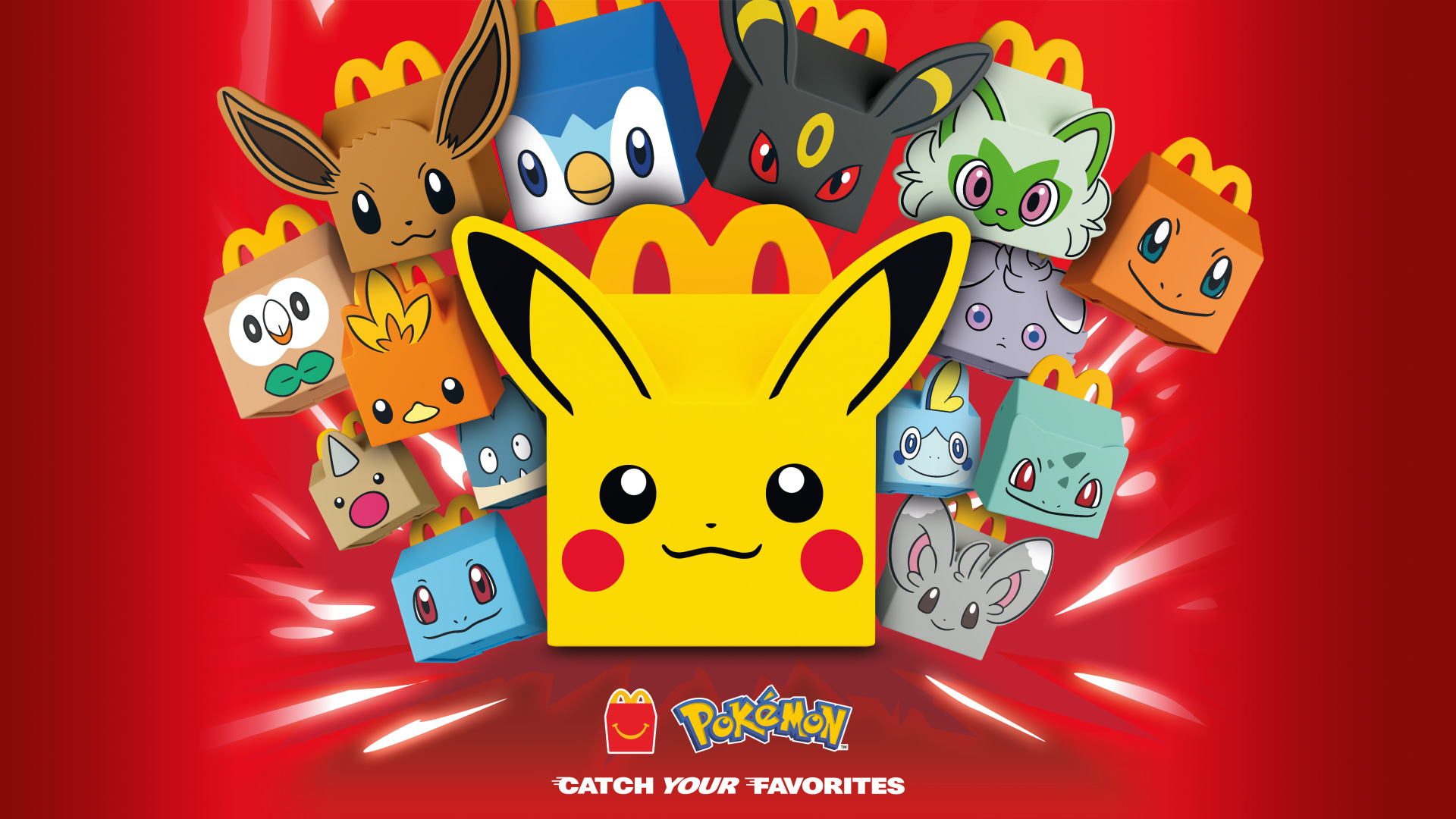
The McDonald's Pokemon Happy Meal is live in the US through December 14 with 15 box toys and 15 cards. What is inside and what resellers should know.