Ocarina of Time Sells 5.2 Million in 4 Days on Switch 2
Nintendo says the Ocarina of Time remake sold over 5.2 million units in four days, a Switch 2 record, plus the price and what resellers should watch.
4 min readRead Blog →
 By Jessy • Oct 23, 2026
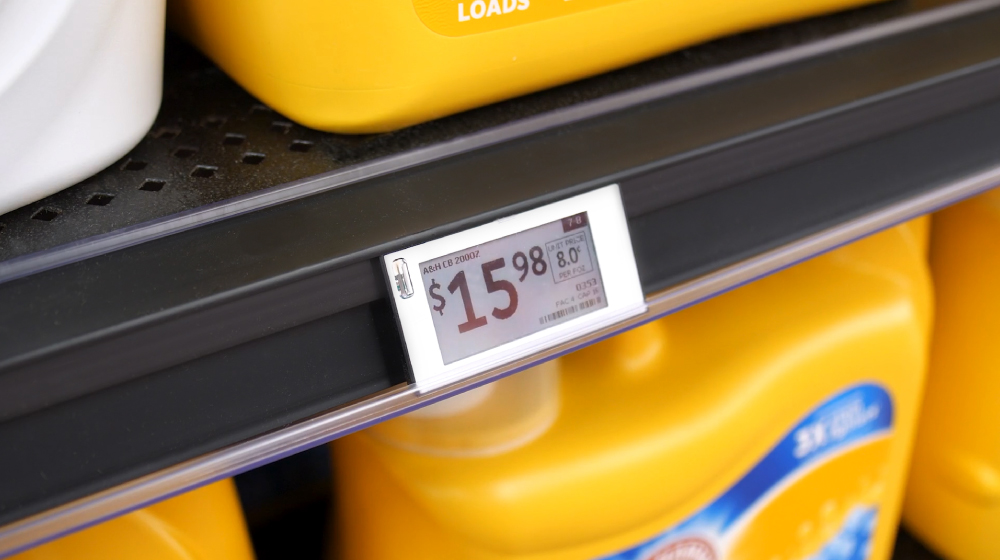
Walmart clearance price endings can hint that an item has been marked down, but they are a clue, not a rule. The only price that matters is the one the register rings up. Use the last digit to decide what is worth a closer look, then confirm the price before you put anything in your cart to resell.
Walmart has not published an official guide to what its price endings mean, at least not one we could find. Everything you see online about "the code" comes from shoppers, resellers and the occasional employee comment shared on blogs and forums.
The most common theory is that a price ending in 7 is usually the regular price, and that other endings can point to a markdown. Some people go further and assign a meaning to every digit. You will also find lists that disagree with each other, which tells you something.
Here is the honest version: price endings are a pattern you notice, not a promise. They can help you scan an aisle faster. They cannot tell you for sure what an item costs, how low it will go or whether it is worth flipping.
A few things break the "code" all the time:
So when you spot an odd ending, think "check this one," not "buy this one."
The ending is one clue on the tag. These matter more:
Here is a simple way to sort what you see:
| What you see | What it might mean | What to do |
|---|---|---|
| Clearance tag, odd ending | Possibly marked down, maybe more than once | Scan it and check sold listings |
| Clearance tag, deep discount | Store is clearing it out | Confirm the price, then check demand |
| Rollback tag | Temporary sale | Usually skip unless the margin is still there |
| Regular tag, odd ending | Could be a normal price | Scan only if the item sells well |
| No tag at all | Price unknown | Scan it, never guess |
If you want more on items that are marked down in the system but not on the shelf, read our post on Walmart hidden clearance.
This is the step that saves you money. Do it every time, especially before you buy more than one.
Never argue with staff over a tag or try to talk your way into a price the system does not show. A good flip should work at the real register price.
A cheap price is only half of a flip. Before you buy, check what the item actually sells for.
Here is a made up example of the math. Say a clearance tag reads $12 and sold listings cluster around $35. If fees in that category come to about 15% (look up the real number), that is roughly $5.25. Add $8 for shipping and $1 for supplies, and you are left with about $8.75 before your time and gas. Worth it for a quick sale. Not worth it if it takes three months to move. And some flips lose money, so start small until you know the item.
The tag is only one place new resellers lose money. The guide to reselling mistakes new sellers make covers the rest, from fees to overbuying.
That is a common theory shared online, and it often lines up with regular prices. Walmart has not confirmed it, so scan the item to be sure.
No. Clearance prices and stock vary by store, so a deal at one Walmart may not exist at the next one.
No. A rollback is a temporary sale on an item the store keeps selling. Clearance usually means the store wants the item gone, which is where deeper markdowns tend to show up.
Scan it in the Walmart app set to your store, use a store price checker if there is one, then buy a single unit and check the receipt before you buy more.
Reading tags is a useful skill, but walking every aisle and scanning every odd ending takes time. Members use the Guardian app to scan items and check stock at nearby stores, and the membership sends daily leads and price alerts in Discord so you know what is worth the trip. See how the membership works.
 Nov 11, 2026
Nintendo says the Ocarina of Time remake sold over 5.2 million units in four days, a Switch 2 record, plus the price and what resellers should watch.
 Nov 11, 2026
Where sneaker clearance shows up at outlets, big box stores and online, which sizes and colorways resell, and how to check value before you buy.
 Nov 10, 2026
The McDonald's Pokemon Happy Meal is live in the US through December 14 with 15 box toys and 15 cards. What is inside and what resellers should know.