Ocarina of Time Sells 5.2 Million in 4 Days on Switch 2
Nintendo says the Ocarina of Time remake sold over 5.2 million units in four days, a Switch 2 record, plus the price and what resellers should watch.
4 min readRead Blog →

 By EWC • Jan 1, 2026
Q1 clearance season runs from January through March, when big box stores clear out holiday leftovers, winter stock and returned items to make room for spring. The markdowns move in a rough order: holiday decor and gift sets in January, winter gear and Valentine's leftovers in February, then whatever gets pushed out by the spring reset in March. Here is what to look for each month, how to check a deal before you buy, and what to skip.
Three things stack up at the start of every year.
There is a demand side too. The IRS says most refunds arrive in under 21 days when you file electronically and choose direct deposit. By law, it holds refunds on returns that claim the Earned Income Tax Credit or the Additional Child Tax Credit until mid-February. For families who claim those credits, refunds tend to land from late February on. Whether that moves prices for what you sell is something your own sold listings will tell you.
January is holiday cleanup.
The first markdown on holiday items is often too small to flip. Write down the price, check back, and buy when the numbers work. At Home Depot, learn the yellow tags and what the last digits can tell you, which our guide to Home Depot clearance price endings explains.
One catch with decor: most of it sells best the next fall. Buying in January means storing boxes for eight or nine months. Only buy what you have room for and what still makes sense after that wait.
February is winter gear and the leftovers from mid-season holidays.
Winter items can be tricky. They often sell slowly once the weather warms where your buyers live, so check how fast they sold last spring, not just the price. Some resellers sell winter gear right away to buyers in colder states, and some hold it for next fall. Both work if the math works.
March is when stores reset aisles for spring and summer.
Resets are a good time to look for clearance that never got a tag, because prices can change in the system before the shelf catches up. The hidden clearance guide explains how to confirm an untagged price.
Here is the quarter at a glance:
| Month | What to look for | Watch out for |
|---|---|---|
| January | Holiday decor, gift sets, toys, wrapping | Storage time until next fall |
| February | Heaters, coats, snow tools, Valentine's items | Slow sales once it warms up |
| March | Reset items, old models, Easter in early years | Prices that differ store to store |
A big markdown is only a deal if it sells for more than it costs you. Run these checks every time:
Here is a made up example. An inflatable marked down to $20 sells for about $55 in the fall. Fees of about 15% (look up yours) come to roughly $8, and shipping a bulky box can run $15 or more. That leaves about $12 before gas, storage and nine months of waiting. Sold locally with no shipping, the same item looks much better. For a weekly version of these checks, see the routine for spotting hot items.
Right after the holidays. Holiday items usually get marked down in late December and January, and markdowns keep coming as stores reset for spring. Timing varies by store.
For holiday leftovers, often yes. For winter gear, later in the quarter can be better as spring stock pushes it out. Watch your own stores to learn their timing.
No. Neither store publishes a markdown calendar for shoppers, and prices change store by store, so the stores you visit often are the best guide.
Only if you have space and the price still leaves room after fees, shipping and months of storage. Most decor sells best the next fall.
Members get daily leads for Walmart, Home Depot, Lowe's and Target in Discord all quarter, plus live Walmart stock checks in the Guardian app before they drive. See how the membership works.
 Nov 11, 2026
Nintendo says the Ocarina of Time remake sold over 5.2 million units in four days, a Switch 2 record, plus the price and what resellers should watch.
 Nov 11, 2026
Where sneaker clearance shows up at outlets, big box stores and online, which sizes and colorways resell, and how to check value before you buy.
 Nov 10, 2026
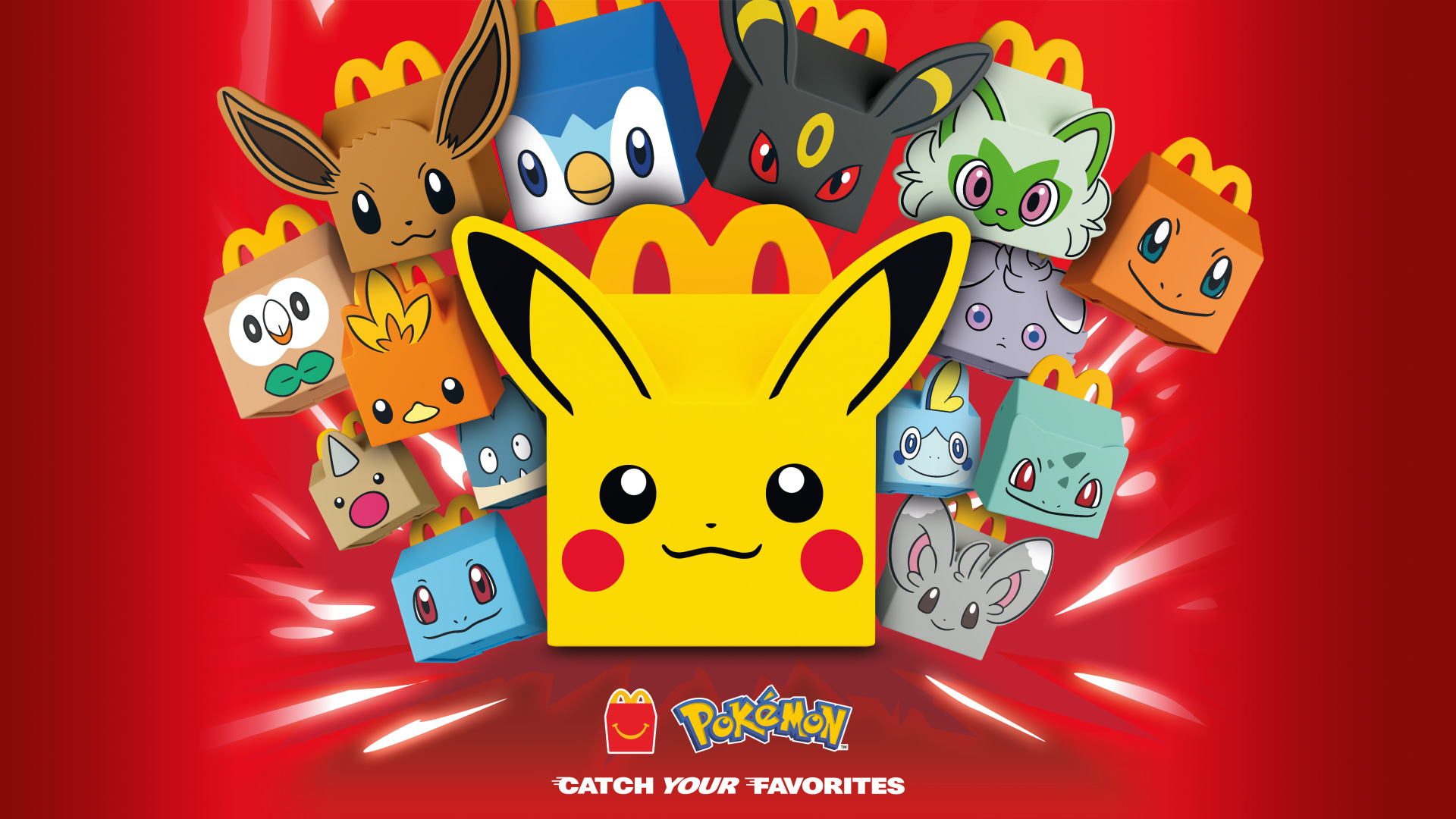
The McDonald's Pokemon Happy Meal is live in the US through December 14 with 15 box toys and 15 cards. What is inside and what resellers should know.