Ocarina of Time Sells 5.2 Million in 4 Days on Switch 2
Nintendo says the Ocarina of Time remake sold over 5.2 million units in four days, a Switch 2 record, plus the price and what resellers should watch.
4 min readRead Blog →

 By Jessy • Nov 8, 2026
You can start reselling with less than $200 if you keep it small: one store, one place to sell, and a handful of items you checked before you paid for them. The plan below covers your first month. It shows what to buy first, how to read sold prices and how to do the fee math, so your first flips teach you something instead of costing you.
Most beginners go wrong by trying everything at once. They hit three stores, list on four apps and end up with a closet full of stuff they never priced. Keep it narrow for 30 days.
Pick the store you already know best. If you're in Walmart twice a week for groceries, start there. If you live closer to Home Depot or Lowe's, that works too. You already know the layout, where the clearance endcaps are and when the aisles are quiet. That's a real edge.
Pick one place to sell. For most beginners it comes down to three options:
If you can't decide, the best reselling apps for 2026 compares fees and who each one fits. Pick one, learn its search and listing tools, and add a second app next month if you want.
Don't spend the whole $200 on stock in week one. Split it like this:
| Bucket | Amount | What it covers |
|---|---|---|
| First buys | $100 to $120 | 5 to 10 small items you checked |
| Supplies | $30 to $50 | Shipping scale, poly mailers, tape |
| Cushion | $40 to $60 | Second round of buys once something sells |
For your first buys, look for items that are:
Skip these at first: electronics with serial numbers you can't test, anything opened, clothing (sizes make it slow) and hyped items with purchase limits and crowds. Sneakers and trading cards can be fun later, but they're harder to price and move fast. Learn the basics on boring stuff first.
This is the habit that separates people who make money from people who make donations. Check what an item actually sold for, not what people are asking.
On eBay, it takes about 20 seconds in the aisle:
Asking prices mean nothing. Anyone can list a $9 toy for $80. Sold prices are what buyers actually paid. If the sales are spread out over months, expect your money to sit for a while.
Mercari also lets you filter by sold items, and you can use that to double check. Facebook Marketplace doesn't show sold prices, so beginners who sell there still check eBay sold listings first.
Fees are where a lot of "profitable" flips quietly turn into losses. Here are the basics as of November 2026. Always check each app's fee page before you list, because fees change.
| Platform | Seller fee (most items) |
|---|---|
| eBay | 13.6% of the total sale, plus $0.30 per order ($10 or less) or $0.40 (over $10) |
| Mercari | 10% of the item price plus buyer-paid shipping |
| Facebook Marketplace | No selling fee on local pickup; shipped orders have a fee |
eBay's fee is based on the total the buyer pays, which includes shipping and sales tax, so your fee comes out a bit higher than the item price alone suggests.
Here's a sample flip on eBay so you can see how it works:
That leaves roughly $11 before taxes. Not huge, but it's a real win, and it gets you sales history and practice listing. Now run the same math on an item you buy for $20 that sells for $30. You'd be down to a couple of dollars, and one return wipes it out.
A simple rule many resellers use: if the sold price isn't at least two to three times what you pay, keep walking unless the item is small, fast and cheap to ship. It's not a law, just a guardrail while you learn.
Every reseller has a story about at least one of these. You can skip most of them:
There's a longer list with a fix for each in reselling mistakes that cost beginners money. Also know that some flips lose money even when you do everything right. That's normal. The goal of month one is to learn, not to hit a number.
Week 1: Set up. Open your seller account, set up payouts and buy a shipping scale and mailers. List three things from around your house so you learn photos, titles and shipping with no risk.
Week 2: First buys. Walk your store's clearance areas twice. Check sold prices on everything that catches your eye. Buy 5 to 10 items that pass the math, using no more than about $120.
Week 3: List and ship. List everything within a day or two of buying it. Use clear photos on a plain background, the exact product name in the title and the sold price data to set your price. Ship within one business day of each sale.
Week 4: Review. Look at what sold, what didn't and what you actually made after fees and shipping. Put the profit back into the next round. Drop any item type that sat or lost money.
The holidays are a busy time to start. If you're beginning now, read up on Black Friday reselling prep before you join the doorbuster crowds, and keep your first month small. Once you've got a few sales, a weekly routine for spotting hot items to resell is the natural next step.
Yes. Use it for a few low-cost clearance items and basic supplies, and reinvest what you make. Starting smaller just means you grow more slowly, and it limits how much you can lose while you learn.
New, sealed, small items with a clear brand and model name, like toys, small tools and kitchen gadgets bought on clearance. They're easy to look up, cheap to ship and simple to list.
Profit from reselling is generally taxable income, and selling apps may send tax forms once you pass certain limits. Keep receipts and records from day one, and check with a tax professional about your situation.
It depends on the item and your price. A well-priced item with steady sold history can sell within days, while slower items can take weeks. Price close to recent sold listings if you want faster sales.
Finding a good markdown before the shelf gets cleared out is the hardest part of starting. Members get daily leads for Walmart, Home Depot, Lowe's, Sam's Club and Target in Discord, plus live in-store stock checks and mentors who flip every week. See how the membership works.
 Nov 11, 2026
Nintendo says the Ocarina of Time remake sold over 5.2 million units in four days, a Switch 2 record, plus the price and what resellers should watch.
 Nov 11, 2026
Where sneaker clearance shows up at outlets, big box stores and online, which sizes and colorways resell, and how to check value before you buy.
 Nov 10, 2026
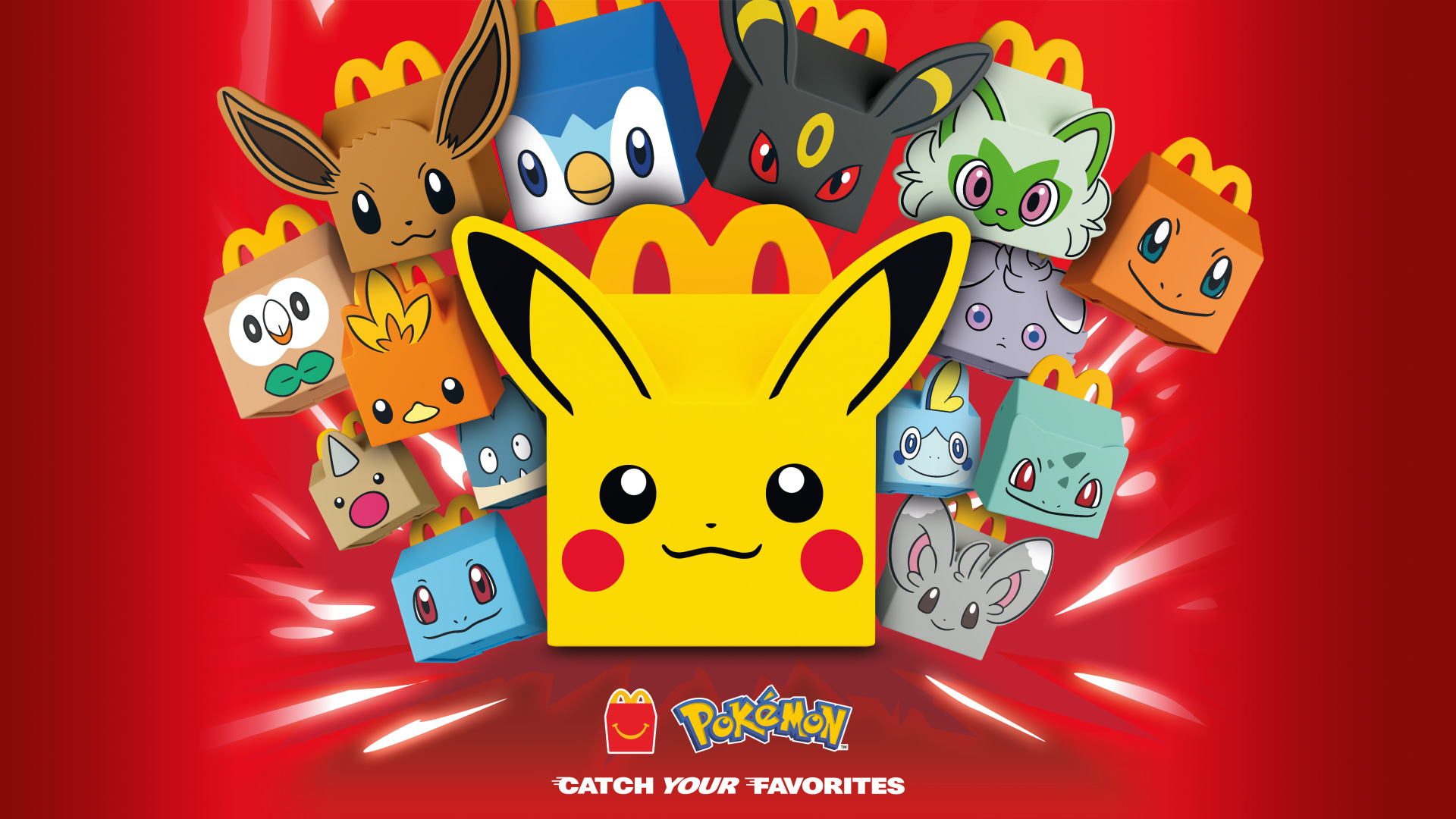
The McDonald's Pokemon Happy Meal is live in the US through December 14 with 15 box toys and 15 cards. What is inside and what resellers should know.