Ocarina of Time Sells 5.2 Million in 4 Days on Switch 2
Nintendo says the Ocarina of Time remake sold over 5.2 million units in four days, a Switch 2 record, plus the price and what resellers should watch.
4 min readRead Blog →
 By Jessy • Oct 27, 2026
The best reselling apps do one of two jobs: they help you sell, or they help you buy the right stock in the first place. For selling, eBay, Mercari, Facebook Marketplace, Poshmark, Depop and Amazon cover almost everything, and the right pick depends on what you sell. Here is who each fits, what each charges sellers as of October 2026, and the sourcing apps worth keeping on your phone.
Fees change, so check each app's fee page before you price anything.
| App | Best for | Seller fees (as of October 2026) | Who it fits |
|---|---|---|---|
| eBay | Almost anything, plus cards, sneakers and parts | 13.6% of the total sale in most categories, plus $0.30 or $0.40 per order | Sellers who want wide reach |
| Mercari | Everyday items shipped anywhere in the US | 10% of the item price plus any buyer-paid shipping | Beginners who want simple listing |
| Facebook Marketplace | Local sales and bulky items | No fee on local pickup paid in person; 10% ($0.80 minimum) on shipped orders | Garage sale sellers, furniture and tool flippers |
| Poshmark | Name-brand clothes, shoes and bags | $2.95 on sales under $15, 20% at $15 and up | Clothing resellers |
| Depop | Vintage and streetwear | No selling fee for US sellers; 3.3% plus $0.45 payment processing | Sellers of trendy clothes |
| Amazon | New, sealed items in volume | $0.99 per item sold or $39.99 a month, plus a category referral fee | Retail arbitrage sellers |
Sell where your item's buyers already shop. A great find on the wrong app just sits there.
Nearly everything has a buyer on eBay, from trading cards and sneakers to tools, car parts and vintage. As of October 2026, most categories pay 13.6% of the total sale (shipping and sales tax included) plus $0.30 on orders of $10 or less or $0.40 above that. You get 250 free listings a month, and athletic shoes that sell for $150 or more pay 8% with no per-order fee.
Mercari is an easy place to start shipping: snap photos, pick a shipping option and buyers anywhere in the US can check out. As of October 2026, sellers pay 10% of the item price plus any buyer-paid shipping, with no listing fee. Clothes, electronics and household items do well.
Facebook Marketplace is the best free app to sell things locally. Listing costs nothing, and local pickup paid in person has no selling fee. Shipped orders through Facebook checkout pay 10% of the whole transaction with a $0.80 minimum under Meta's seller policy as of October 2026, so check the payout estimate before you ship. It shines for furniture, tools, baby gear and anything too big to box up.
Poshmark is built for fashion, and its buyers shop by brand, so it suits name-brand clothes, shoes and bags. As of October 2026, it keeps $2.95 on sales under $15 and 20% on sales of $15 or more, and the buyer normally pays for the prepaid shipping label.
Depop leans toward younger shoppers hunting vintage, streetwear and one-of-a-kind pieces. As of October 2026, US sellers pay no selling fee, just payment processing of 3.3% plus $0.45 on the item price, shipping and any tax. Boosted listings add a fee when they sell.
Amazon fits sellers who flip new, sealed retail items, the classic retail arbitrage play. The Individual plan costs $0.99 per item sold and the Professional plan $39.99 a month, and both pay a referral fee set by category (around 15% in many), plus fulfillment fees if Amazon ships for you. Some brands and categories need approval first, so check before you fill a cart.
The selling app is where you get paid. The buying side is where a flip is won or lost.
Start with the item, not the app:
Many resellers list one item on two or three apps. If you do, end the other listings the moment one sells so you never sell the same item twice. Keep a simple log of cost, sale price and fees, because some flips lose money and the log shows you which ones.
eBay, Mercari, Facebook Marketplace, Poshmark, Depop and Amazon cover most of what resellers sell. Use eBay for reach, Facebook Marketplace for local and bulky items, and Poshmark or Depop for clothes.
Facebook Marketplace. Listing is free and local pickup paid in person has no selling fee as of October 2026. Most apps here charge nothing to list and take their cut when the item sells.
The eBay app with the Sold items filter shows what items really sell for. For what the store charges, use the store's own app and scanner, and Amazon sellers add the Amazon Seller app.
They work differently. On Vinted you list and ship each item yourself, while ThredUp is a consignment service that prices and sells what you send in and pays you a portion. Listing yourself usually gets you more per piece, and consignment saves time.
Pick one selling app, learn it well, and spend most of your energy on buying right. That is the part the Resale Rascals membership helps with, from daily leads to price-error alerts in Discord. See how the membership works.
 Nov 11, 2026
Nintendo says the Ocarina of Time remake sold over 5.2 million units in four days, a Switch 2 record, plus the price and what resellers should watch.
 Nov 11, 2026
Where sneaker clearance shows up at outlets, big box stores and online, which sizes and colorways resell, and how to check value before you buy.
 Nov 10, 2026
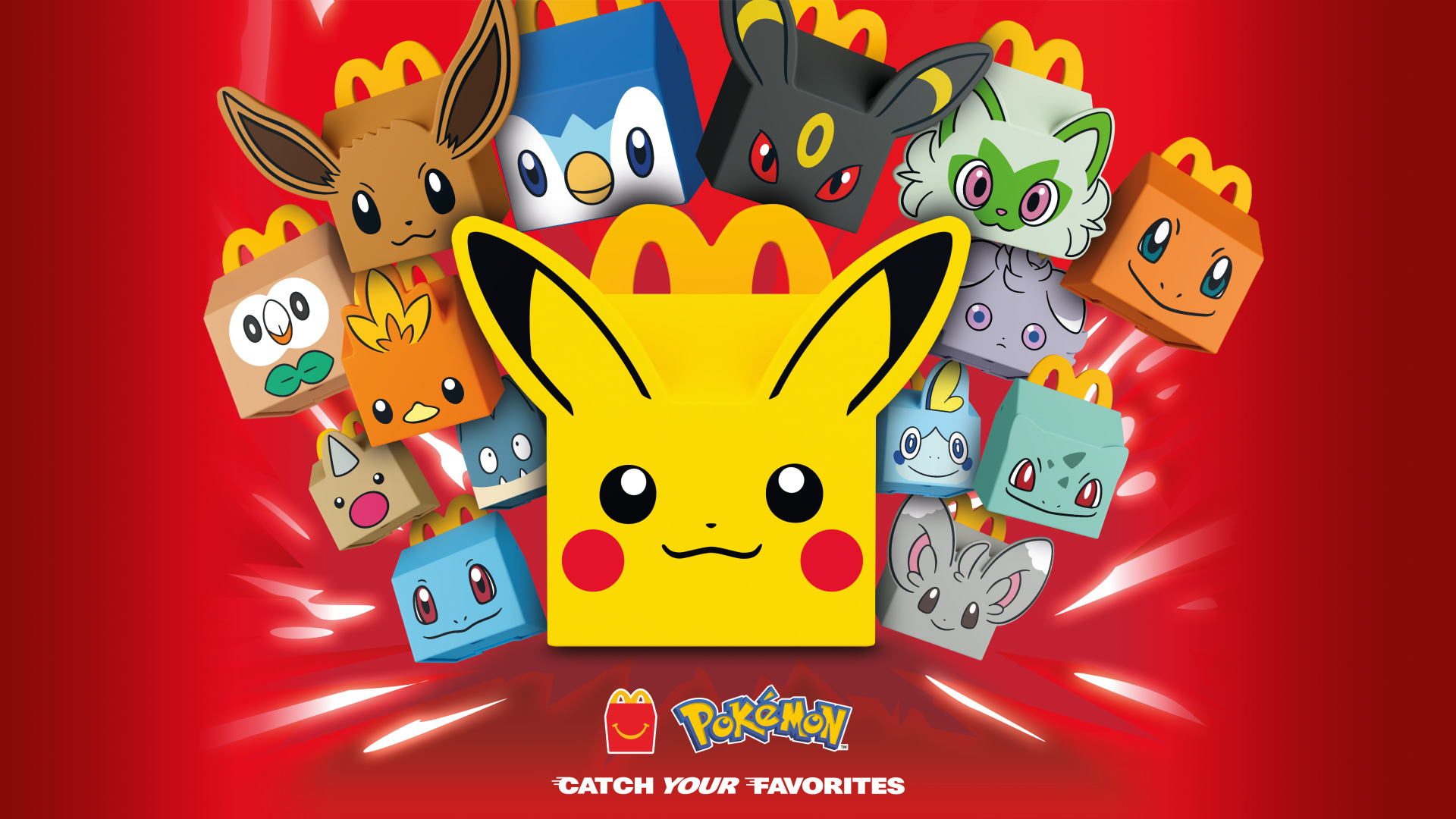
The McDonald's Pokemon Happy Meal is live in the US through December 14 with 15 box toys and 15 cards. What is inside and what resellers should know.