Ocarina of Time Sells 5.2 Million in 4 Days on Switch 2
Nintendo says the Ocarina of Time remake sold over 5.2 million units in four days, a Switch 2 record, plus the price and what resellers should watch.
4 min readRead Blog →
 By Jessy • Nov 3, 2026
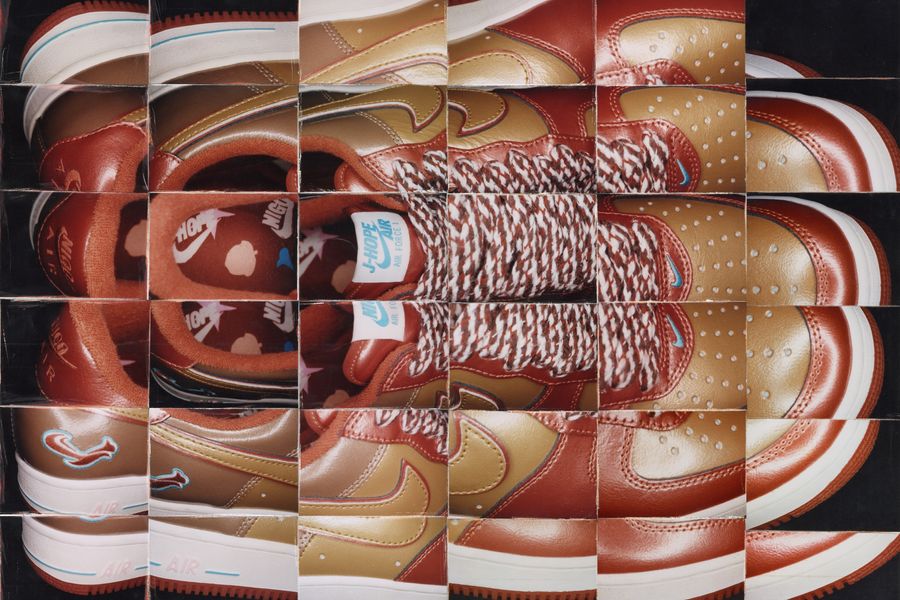
To resell sneakers, you buy a pair for less than it sells for on StockX, GOAT or eBay, then sell it new in the box after fees. The hard part is that fees take about 8% to 13% of the sale or more, and most pairs sell close to retail. So learning how to resell sneakers mostly means checking sold prices and doing the math before you spend a dollar. This guide covers where to buy, how to read the market, how authentication works and why a lot of flips end at break even.
Every shoe has a retail price set by the brand. Once it sells out, the resale price is whatever buyers will pay on the open market. That price can be above retail, at retail or below it, and it changes by size, by week and by how many pairs are out there.
Most pairs fall into two groups:
The market has also cooled. NPR ran a story in January 2026 asking whether the resale slump meant the end of the sneakerhead era, with resellers describing once-pricey pairs that sat unsold. That doesn't mean nothing sells. It means you can't assume a pair will flip just because it's popular.
You have two main ways to buy pairs, and they work very differently.
Hyped pairs usually release through apps and draws. On Nike's SNKRS app, Nike's help pages say you need to be a Nike Member with notifications turned on, and upcoming draws show in the app's Upcoming feed. Other brands and big sneaker chains run their own apps and raffles, and local boutiques often hold in-store raffles.
A few things to know:
For what's coming up this month, see the sneaker releases in November 2026 with dates and retail prices.
Clearance is where frugal hunters and resellers overlap. Brand outlet stores, off-price stores and the shoe aisles at Walmart and Target all mark pairs down. Most of it is everyday shoes that won't resell for much. Now and then, a name-brand pair gets marked down far enough that it sells for more on eBay or Mercari than you paid.
The upside is that you're not fighting a draw. The downside is that clearance pairs are often general releases, so the margin comes only from how low the markdown goes. If you shop Walmart, learn Walmart clearance price endings so you can tell a real markdown from a small one, then scan the price at the register to confirm it.
This is the step that saves you money. Never go by asking prices. Look at what pairs actually sold for.
These are the same habits you use to spot hot items to resell in any category: real sold prices, real sell speed, and a stopping point.
Here's what the big platforms charge sellers as of November 2026. Fees change, so check each site's fee page before you list.
| Platform | Main seller fees | Notes |
|---|---|---|
| StockX | 9% transaction fee at Level 1 (down to 7% at the top level), plus 3% payment processing | $5 minimum seller fee in the US |
| GOAT | 9.5% commission with a seller rating of 90 or higher, plus a seller fee | 2.9% cash out fee to bank or PayPal; commission goes up with a lower rating |
| eBay | 8% on sneakers when the sale totals $150 or more, no per-order fee | Under $150, the regular higher rate applies |
Now the math. Here's a made-up example:
That's why so many pairs barely break even. A shoe has to sell well above what you paid just to cover fees and tax. Before you buy, figure out your break-even price: your total cost divided by 0.88 is a rough number for StockX at Level 1. If recent sales aren't clearly above that, pass.
Losing a few draws is fine. Getting stuck with ten pairs that sell under cost is not.
Fake sneakers are a real problem, and buyers know it. That's why the big platforms check pairs before the buyer gets them.
A pair can fail even when it's real. Common reasons:
How to protect yourself:
Never knowingly sell a fake. Besides being wrong, it can get your account banned on every major site.
Here's the whole process as a checklist you can use in the store aisle:
The same buy-low, check-sold-prices habits carry over if you also flip cards. The guide to sealed Pokemon cards walks through it for that niche.
It can be, but it takes more work than it used to. The market has cooled, most pairs sell near retail, and fees eat a big chunk of every sale. Buy only when sold prices clearly beat your break-even number.
Check all three for each pair. StockX and GOAT are simple and handle authentication. eBay's 8% rate on sneaker sales of $150 or more (as of November 2026) can leave you more on higher-priced pairs.
Yes. Buyers expect new pairs in the original box with everything that came with it, and a damaged or missing box can fail authentication or lower your price.
Sales on marketplaces can count as income, and platforms may send tax forms. Rules and thresholds change, so check with a tax professional or your state about your situation.
If you hunt shoe aisles and clearance at Walmart and Target, the Resale Rascals membership sends daily leads and custom price alerts in Discord, so you spend less time checking shelves for nothing. See how the membership works.
 Nov 11, 2026
Nintendo says the Ocarina of Time remake sold over 5.2 million units in four days, a Switch 2 record, plus the price and what resellers should watch.
 Nov 11, 2026
Where sneaker clearance shows up at outlets, big box stores and online, which sizes and colorways resell, and how to check value before you buy.
 Nov 10, 2026
The McDonald's Pokemon Happy Meal is live in the US through December 14 with 15 box toys and 15 cards. What is inside and what resellers should know.