Ocarina of Time Sells 5.2 Million in 4 Days on Switch 2
Nintendo says the Ocarina of Time remake sold over 5.2 million units in four days, a Switch 2 record, plus the price and what resellers should watch.
4 min readRead Blog →
 By Jessy • Jan 15, 2026
Nancy is a Resale Rascals member who went from watching reselling videos on TikTok to running her own resale store, stocked almost entirely with clearance finds. Below is her story. After it, you will find general steps on how to start a resale store if you want to build toward one yourself. Those steps are our advice for any reader, not a record of what Nancy did.
It started with a random scroll on TikTok. Nancy came across videos of a couple sharing their reselling journey. She watched them find clearance deals, load up their carts and turn those finds into real profit.
That couple was EWC and his wife.
Something clicked. Nancy thought, "If they can do it, why can't I?"
She joined Resale Rascals on November 9, 2025.
Nancy did not just dip her toes in. She used the Walmart and Target clearance leads shared daily in our community and started hunting. Most of the items she found were marked down over 80% off retail. Travel systems, baby gear, toys and electronics were all sitting on shelves, waiting to be flipped.
Her inventory grew from there:
All of it was sourced from clearance leads and bought at a fraction of its retail value.
Let's be real. When you load up a cart with 10 of the same item, people notice. They stare. Sometimes they judge.
Nancy felt it too. But she kept going.
We asked Nancy what she would say to someone just getting started. Here is her answer, word for word:
That is the mindset. A lot of people give up after one awkward trip to the store. Nancy did not.
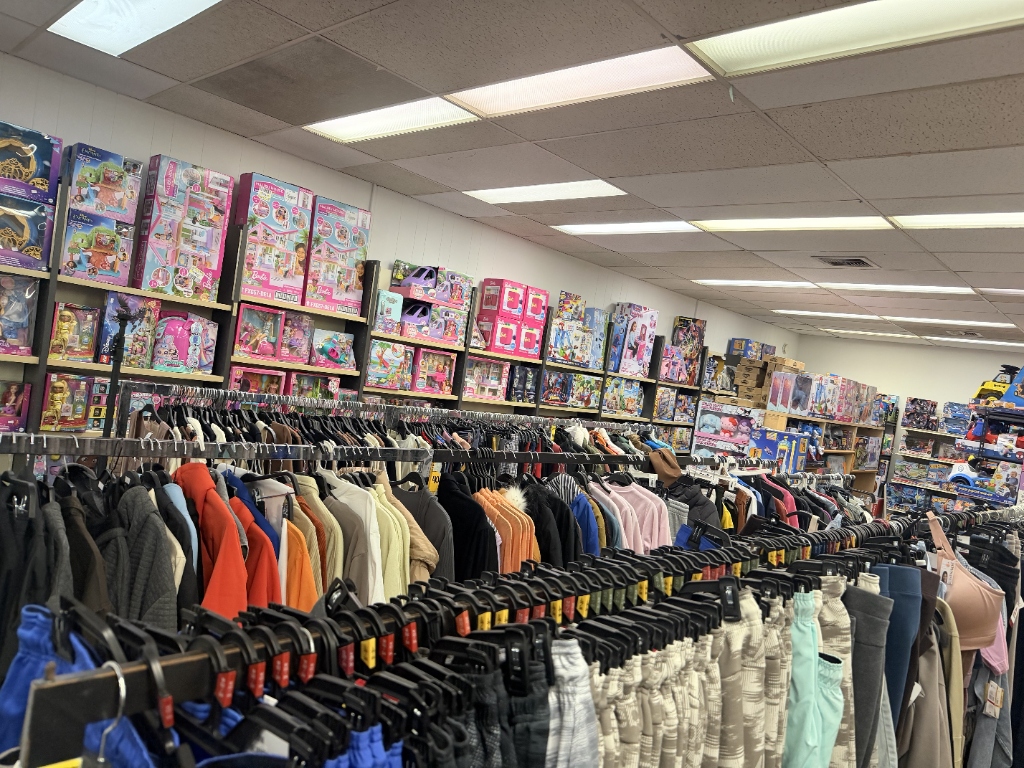
What Nancy built is not a side hustle anymore. It is a full resale store.
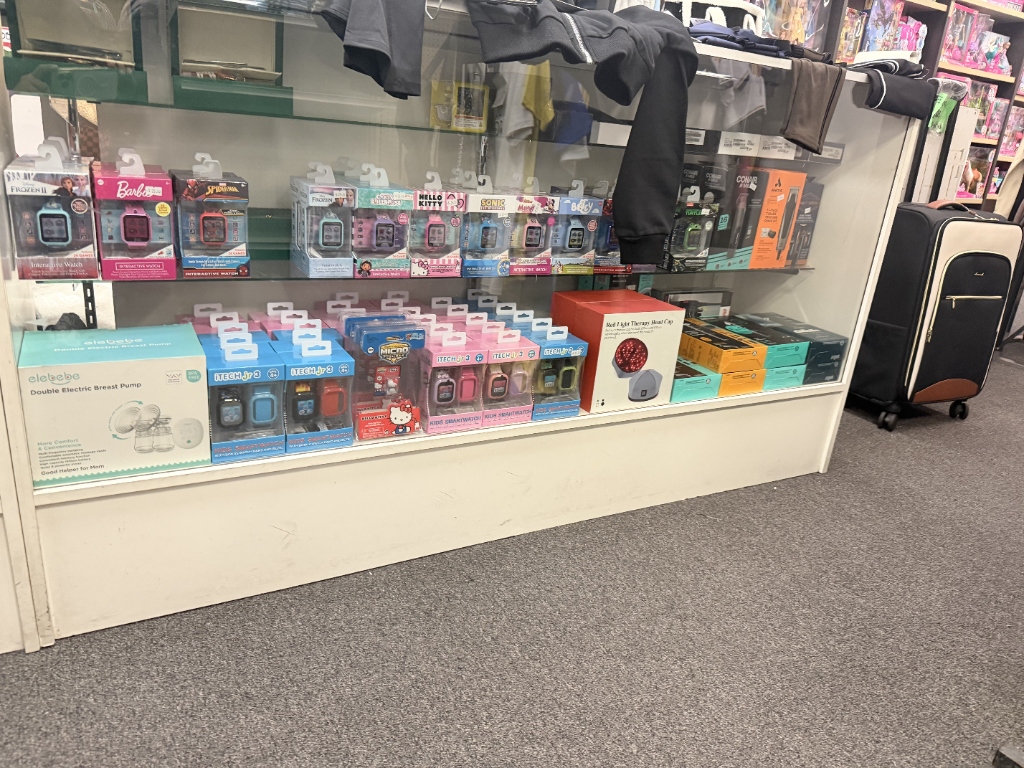
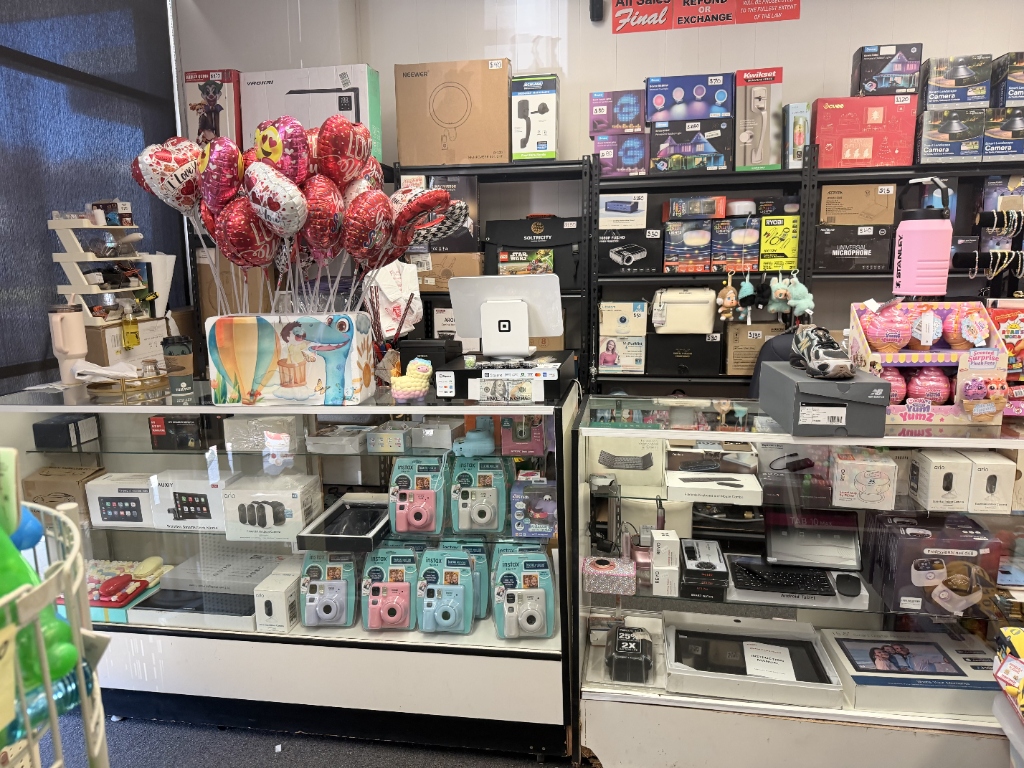
There are racks of clothing. Shelves are stacked with Barbie playsets, Hot Wheels Ultimate Garage sets and Bluey toys. A display case is filled with electronics. There are Hampton Bay solar lights and Hyper Tough tool sets.
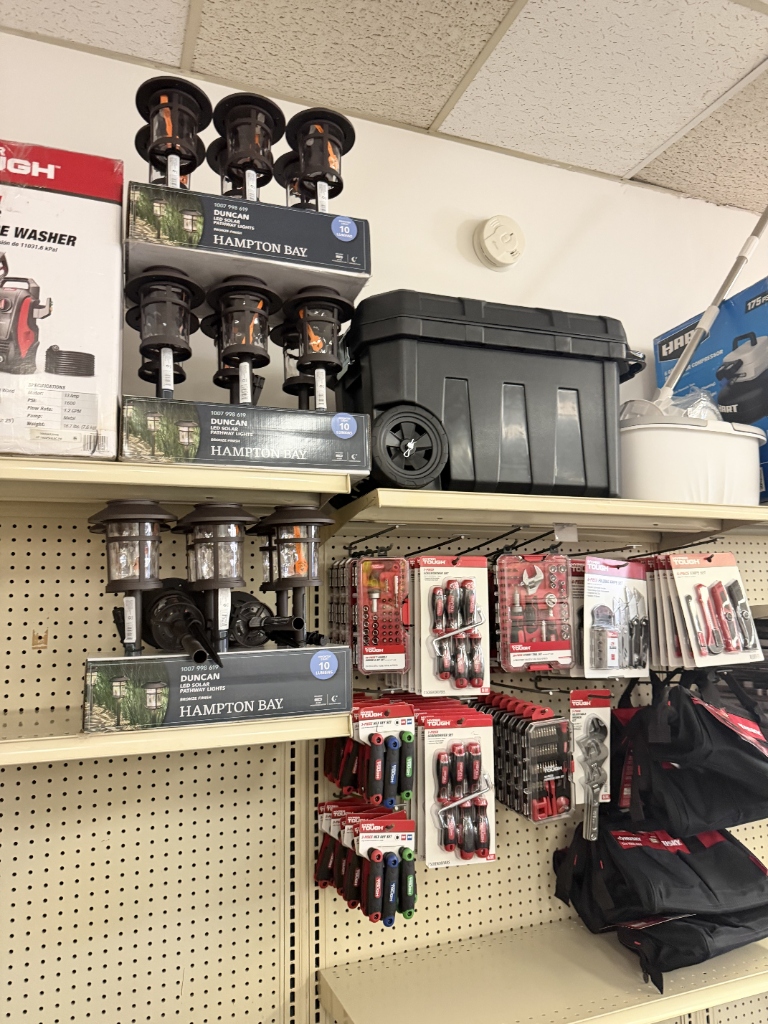
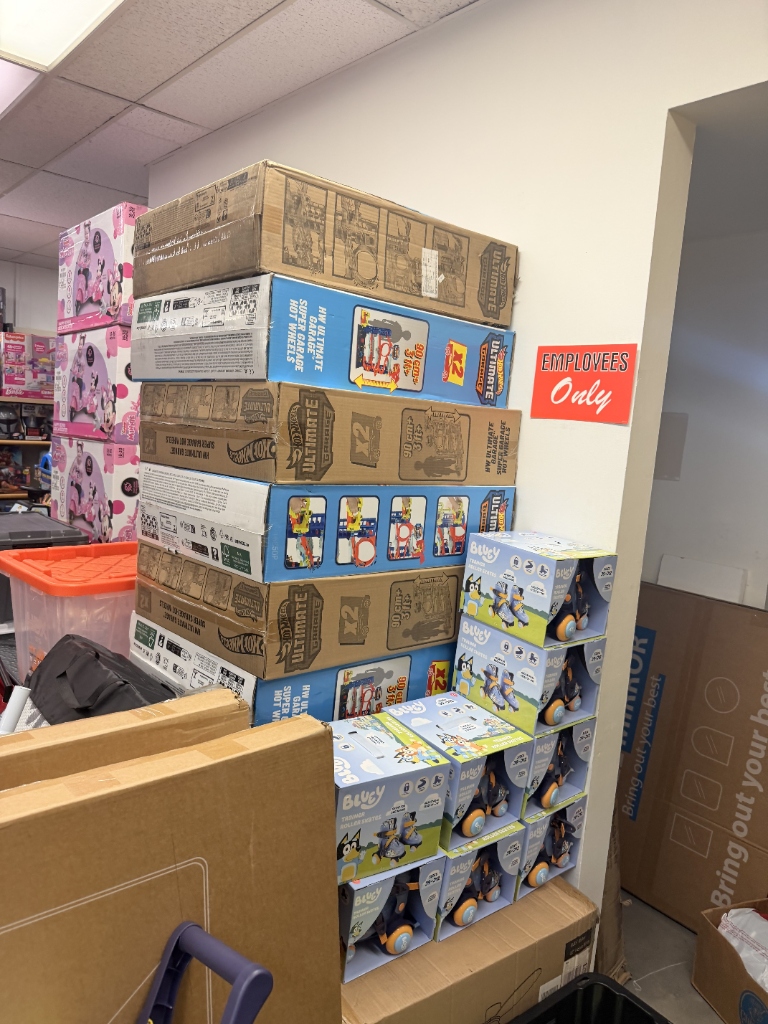
Her store is stocked almost entirely with clearance finds, most of them over 80% off. They are deals that most shoppers walked right past. Nancy saw the value, put in the work, and now she has the store to show for it.
When this post went up in January 2026, Nancy had been a member for less than three months.
Nancy's story is not unusual because she is special. It stands out because she actually took action. Here is what she did:
Her results are her own. Yours will depend on your stores, your budget, your time and what sells where you live. Flipping takes work, and some flips lose money.
If her story has you thinking about a store of your own, here is general advice that follows the same path: find deals, buy carefully, keep going, then grow. Again, this is our advice, not a list of things Nancy said or did.
Watch and read how other resellers work, then start with a small budget. Buy a few items, list them and see what sells before you put more money in. Your first handful of flips will teach you more than any video, and knowing the most common reselling mistakes for beginners helps you skip the expensive lessons.
Clearance prices vary by store, and shelf tags can be out of date. Scan the item in the store's app set to the store you are standing in, use a price checker if there is one, and buy one unit before you buy more. Our guide to Walmart clearance price endings covers how to read the tags.
Search the item on eBay and turn on the Sold Items filter. That shows what buyers actually paid, which is what matters. Asking prices on active listings can be anything. For a weekly routine built on sold listings and sell speed, see how to find hot items to resell.
A store has costs that selling from home does not: rent, utilities, shelving, a card reader and your hours behind the counter. Deep markdowns leave room for those costs and for the items that sit longer than you hoped.
Here is a made up example. Say you pay $10 for an item that normally sells for $50. If you price it at $30 in your store, you have room to cover your share of the rent and still make a sale feel like a deal to the shopper. If you paid $40 for the same item, there is almost no room at all.
Buying several of the same clearance item is normal in reselling, and the looks come with it. Be quick and polite. Do not block the aisle, hide items or argue over a price the register does not show. Follow any limits the store sets. Start with a few units until you know an item sells.
Toys, baby gear, electronics, tools and outdoor items all bring in different shoppers. A mix gives people a reason to browse, and it spreads your risk if one category slows down. Track what sells and how fast, and buy more of what moves.
Before you commit to a storefront, try selling the same kind of inventory online, at a flea market or at a weekend booth for a while. If it moves steadily, a store may make sense. If it sits, you learned that without signing a lease.
Rules vary by city and state. A physical store usually needs a local business license or permit, and states with a sales tax generally expect retail sellers to register to collect it. Check with your city, your state and a tax professional before you open.
Usually you need some kind of local business license or permit, and often a state permit to collect sales tax. Rules vary, so check with your city, your state and a tax professional.
There is no single number. Deeper markdowns leave more room for fees, shipping or store costs, so always check sold prices before you decide.
Yes, as long as you follow the store's limits and policies and treat staff and other shoppers with respect.
There is no set timeline. It depends on your budget, the deals near you, the time you put in and what sells in your area.
The Walmart and Target clearance leads Nancy used are shared in our Discord every day, along with Home Depot and Lowe's leads, and members check Walmart stock at nearby stores with the Guardian app. What you build with them is up to you. See how the membership works.
 Nov 11, 2026
Nintendo says the Ocarina of Time remake sold over 5.2 million units in four days, a Switch 2 record, plus the price and what resellers should watch.
 Nov 11, 2026
Where sneaker clearance shows up at outlets, big box stores and online, which sizes and colorways resell, and how to check value before you buy.
 Nov 10, 2026
The McDonald's Pokemon Happy Meal is live in the US through December 14 with 15 box toys and 15 cards. What is inside and what resellers should know.