Ocarina of Time Sells 5.2 Million in 4 Days on Switch 2
Nintendo says the Ocarina of Time remake sold over 5.2 million units in four days, a Switch 2 record, plus the price and what resellers should watch.
4 min readRead Blog →
 By Jessy • Nov 6, 2026
If an item rang up higher than the shelf price, don't argue and don't panic. Step aside, show the cashier a photo of the tag and ask them to check it. Most of the time it gets fixed in a couple of minutes, and in a few states the law gives you a refund, a bonus or even the item for free.
Pricing mistakes happen at every store, and the tag is not always the right one. These are the usual causes:
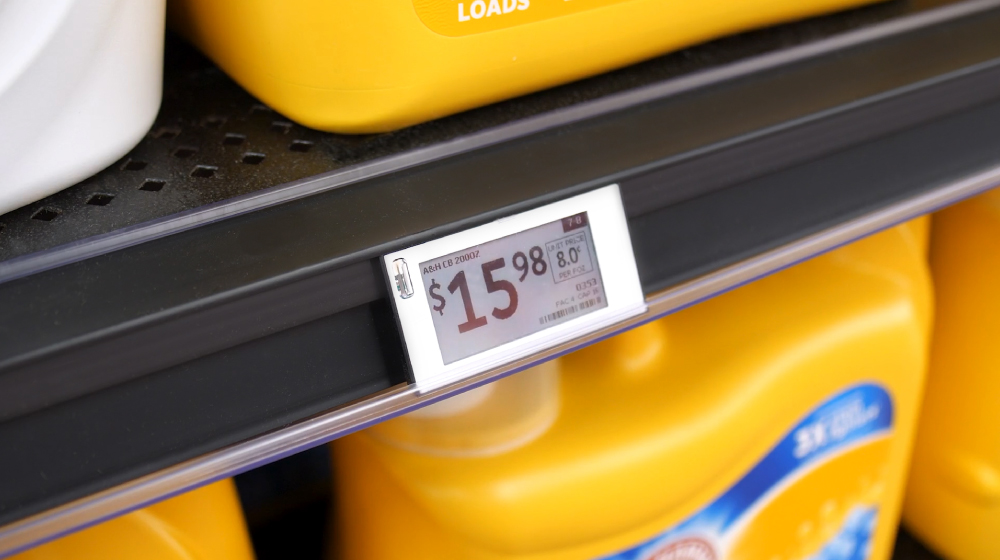
Tags are getting updated faster at some stores. Walmart said in March 2026 that about 2,300 of its U.S. stores were already using digital shelf labels, and that it expected them in every store within a year. Paper clearance stickers and yellow tags are still everywhere, though, so mismatches still happen.
A minute in the aisle saves you ten minutes at the register.
Home Depot shoppers can use the same habit with yellow tags. The app and website tricks in our post on free ways to spot Home Depot markdowns help you confirm a price before you haul a cart to the front.
Keep it short and friendly. The cashier didn't make the tag, and a calm ask works much better than a fight. Something like this works:
"Hey, I think this rang up different from the shelf tag. I have a photo of it. Could you check it for me?"
From there, one of a few things happens:
At self-checkout, stop before you pay. Call the attendant over when it scans. Fixing it before the sale goes through is much easier than fixing it after, and you'll have the proof with you.
Ask for a manager when the cashier can't override the price and the difference matters to you. Show the photo, point to the tag and let them decide. Store policies on honoring a wrong tag differ by chain and by store, and they change, so check with your store for its current rules (as of November 2026).
You can still say no thanks. You have three fair options:
If you're buying to resell, the scanned price is the real price until the store says otherwise. If the flip only works at the tag price and the store won't honor it, skip it. Never buy something planning to fight over the price later.
Be fair about it, too. Don't move tags, don't put an item under a cheaper tag, and don't argue about a tag that clearly belongs to something else. That's the kind of thing that gets tags pulled for everyone.
Sometimes you only notice the overcharge in the car or at the kitchen table. Here's what to do:
The opposite happens too. Sometimes an item rings up lower than the tag, which is what clearance hunters call Walmart hidden clearance, and that's when it pays to check the scan before you leave.
Some states have scanner or price accuracy laws that give you more than just the right price. Here are three we confirmed on state government pages as of November 2026. Laws change and each one has limits, so read your state's page before you ask a store for anything.
| State | What it covers | What you can get |
|---|---|---|
| Michigan | Overcharges at the register, with a receipt | The difference plus a bonus of 10 times the difference, at least $1 and at most $5 |
| Massachusetts | Grocery items at food stores and food departments | One item free if it's $10 or less, or $10 off if it's more |
| Connecticut | Everyday "used up" items under $20 at stores over 10,000 square feet | One item free when it scans higher than the posted price |
A few details matter:
If your state isn't listed, check your state attorney general or weights and measures office. Many states inspect store scanners even where there's no bonus law.
It depends on your state and the store. A few states have laws about overcharges, and many stores fix honest tag mistakes on their own, but a tag for a different item usually won't be honored. Ask politely and check your state's rules.
Usually, yes. Bring your receipt and a photo of the tag to customer service. In Michigan you have 30 days to tell the store.
Then the tag doesn't apply to what you're holding, and the scanned price is the real price. Put it back or pay the scanned price, whichever makes sense for you.
For anything you're counting on, yes. A clear photo of the item and tag together makes a price check quick and friendly.
Members of the Resale Rascals membership get custom price monitors with Discord alerts and live in-store stock checks, so they know the price before they get to the register. See how the membership works.
 Nov 11, 2026
Nintendo says the Ocarina of Time remake sold over 5.2 million units in four days, a Switch 2 record, plus the price and what resellers should watch.
 Nov 11, 2026
Where sneaker clearance shows up at outlets, big box stores and online, which sizes and colorways resell, and how to check value before you buy.
 Nov 10, 2026
The McDonald's Pokemon Happy Meal is live in the US through December 14 with 15 box toys and 15 cards. What is inside and what resellers should know.